Aircraft › Lockheed Martin › Lockheed L-1011 TriStar › Lockheed L-1011-1 TriStar
Lockheed L-1011-1 TriStar
The L-1011-1 is the original TriStar and the most numerous: 123 were built. It is 177 ft 8 in long with a 155 ft 4 in wingspan, and three Rolls-Royce RB211-22B turbofans of 42,000 pounds of thrust each power it. Its maximum take-off weight is 430,000 pounds. Delta Air Lines flew it with 250 seats, 50 in first class and 200 in economy, and the Federal Aviation Administration certified it for up to 400 passengers when fitted with four cabin doors on each side.
- Seats
- About 250 in two classes (up to 400)
- Engines
- Three Rolls-Royce RB211-22B turbofans, two under the wings and one in the tail
- Max takeoff weight
- 430,000 lb (195,045 kg)
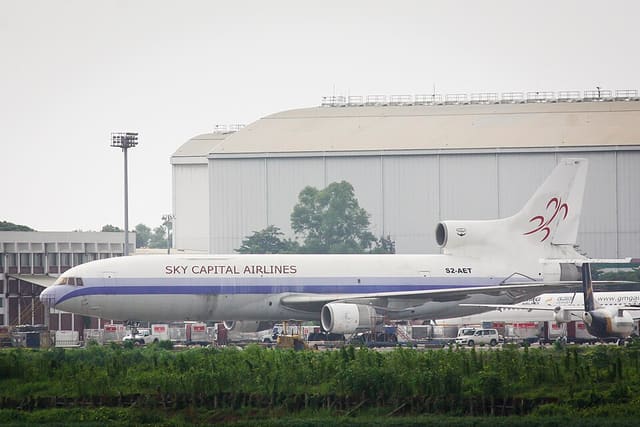
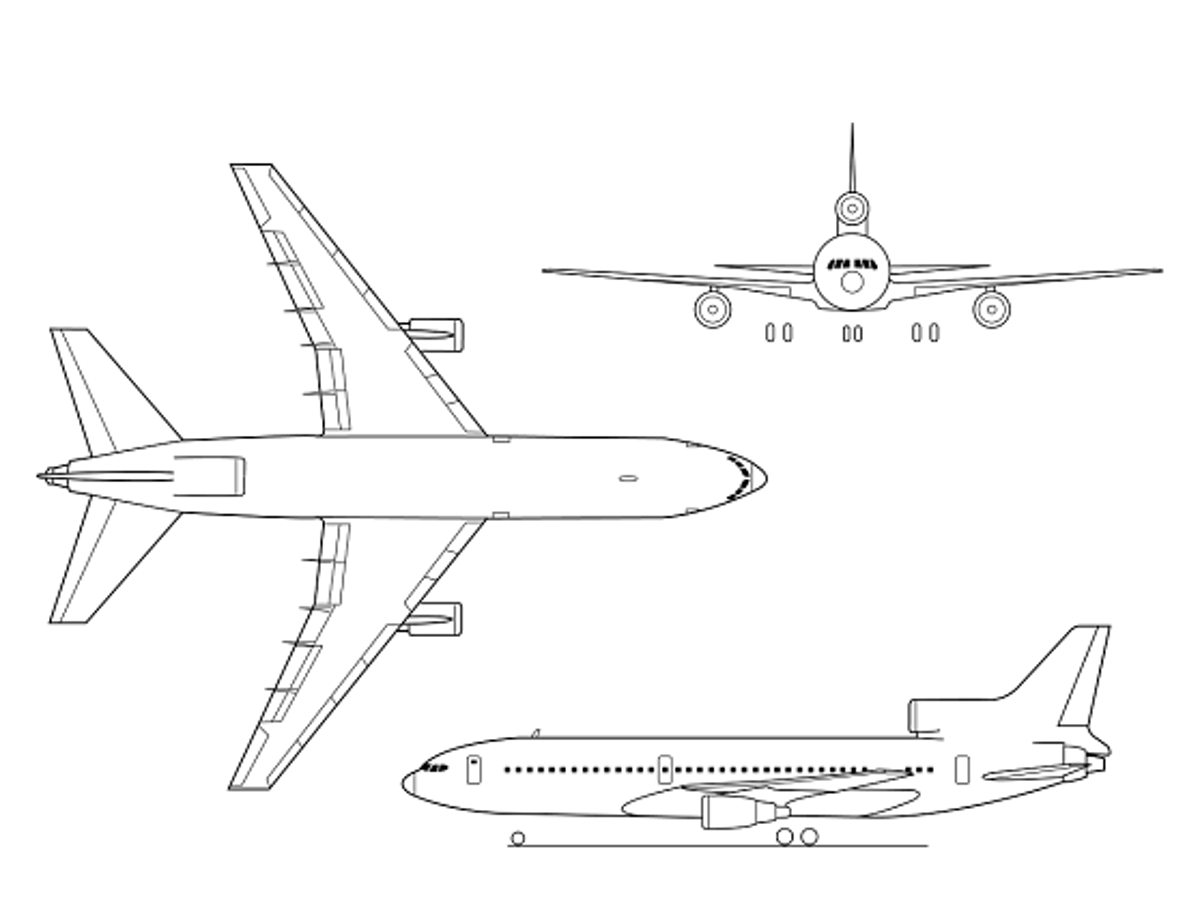
Photos from members
No member photos of this aircraft yet. Be the first to add one.
Specifications
| Length | 177 ft 9 in (54.17 m) |
|---|---|
| Wingspan | 155 ft 4 in (47.34 m) |
| Height | 55 ft 4 in (16.87 m) |
| Fuselage width | 19 ft 7 in (5.97 m) |
| Fuel capacity | 23,810 US gal (90,149 L) |
| First flight | November 16, 1970 |
| Entry into service | April 26, 1972 |
| Number built | 123 built |
| Status | Retired in 2001 |
| Type codes | ICAO L101 |
History
The L-1011-1 was the model on which the TriStar first flew, on November 16, 1970, and it entered service with Eastern Air Lines on April 26, 1972, three weeks after the first delivery. Rolls-Royce's collapse in February 1971 slowed the program for about ten months. Eastern, Trans World Airlines and Delta were its main early customers. Production of all TriStars ended in 1983, and Lockheed left the commercial aircraft business. Delta, which had the largest fleet, retired the type from scheduled flying on July 31, 2001. Orbital Sciences later converted one L-1011-100 into a launch aircraft for Pegasus rockets.
Sources
- FAA, Type Certificate Data Sheet A23WE (L-1011-385-1, -1-14, -1-15, -3), Revision 19
- Airline History Museum, Lockheed L-1011 TriStar
- Delta Flight Museum, Lockheed L-1011 1973-2001
- World Airline Historical Society, The Log, Vol. 37 No. 1 (Lockheed L-1011 issue)
- Forecast International, Civil Aircraft Forecast: Lockheed L-1011 TriStar (archived 2002)